Drug Discovery 2026: 20 years of community and inclusion
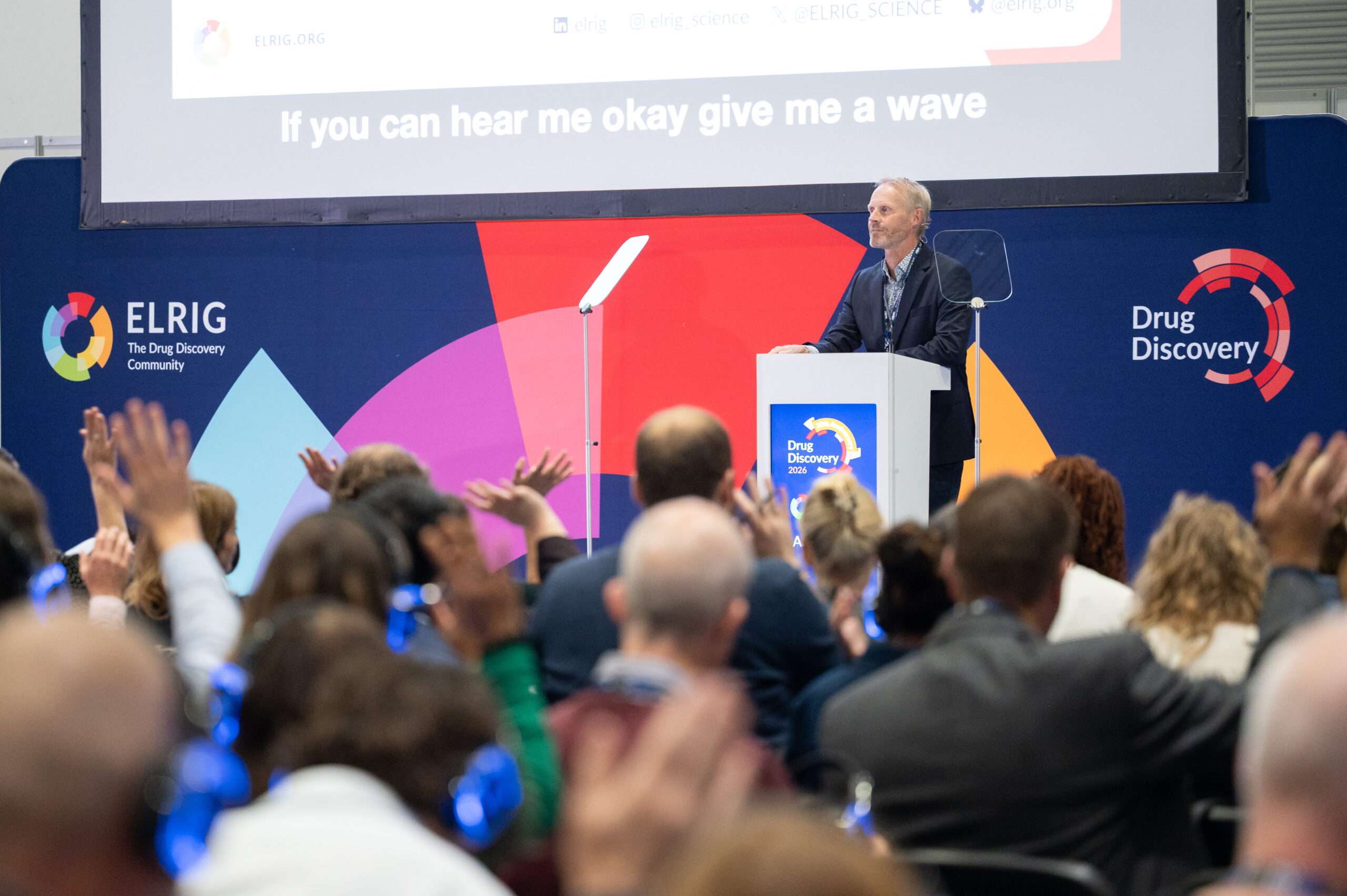
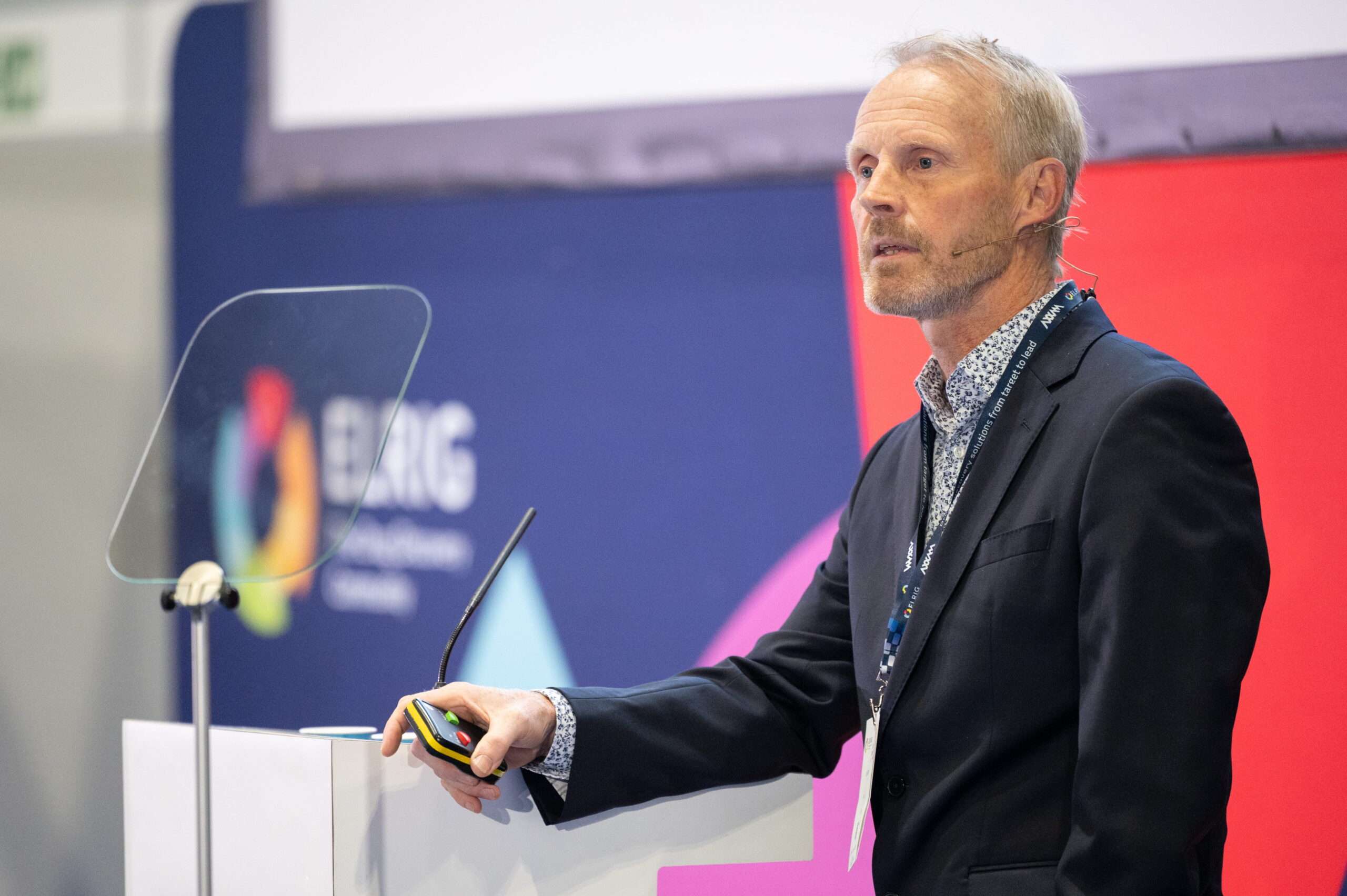
The first day of Drug Discovery 2026 opened with a welcome from Del Trezise, Chair of ELRIG, marking the organisation’s 20th annual Drug Discovery conference.
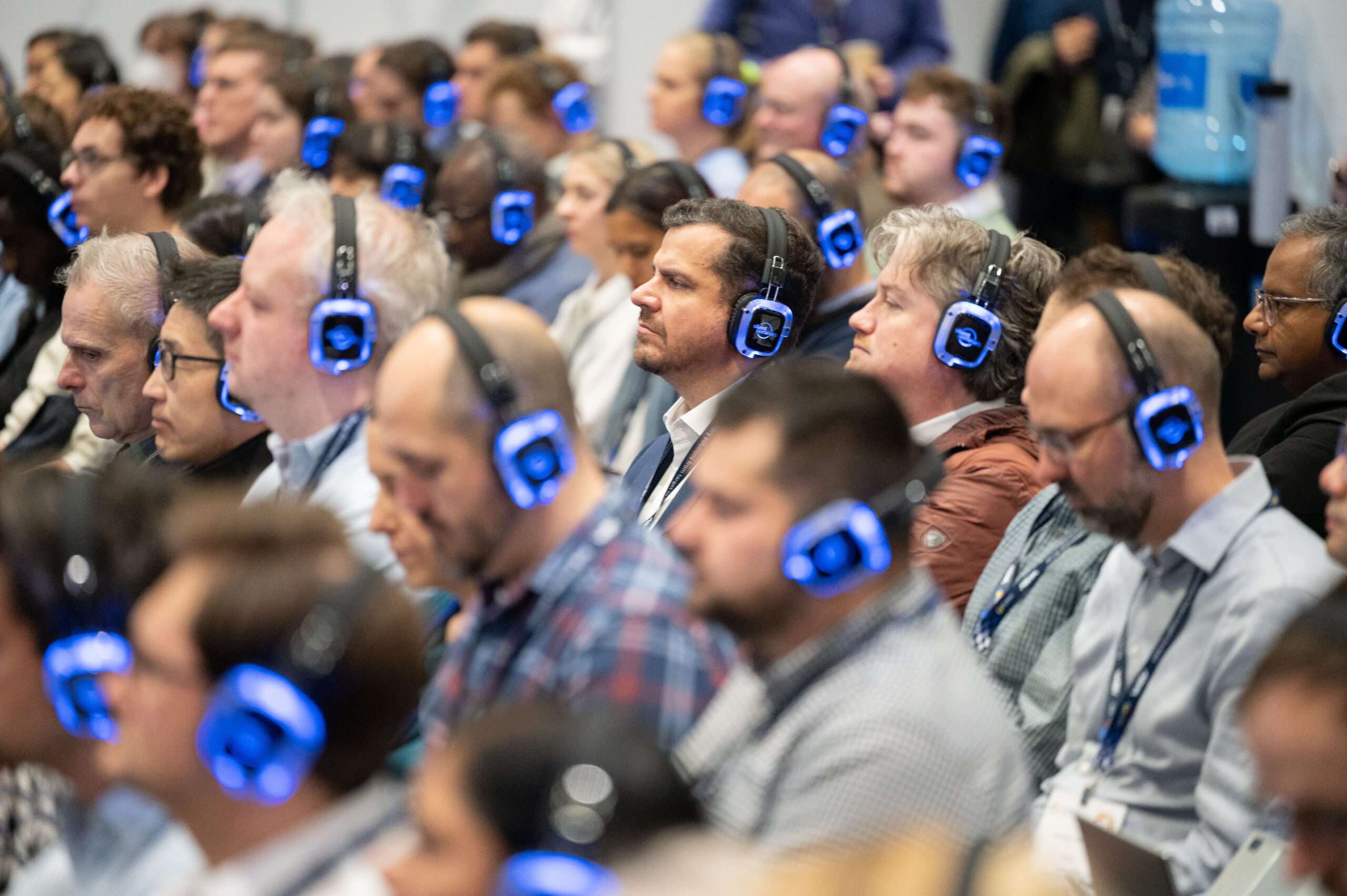
Trezise reported more than 3,000 participants, with a further 750 turned away because of demand, which he said reflected the value and importance of the meeting in the scientific calendar.
For delegates attending their first Drug Discovery meeting, Trezise described ELRIG as a UK-based, not-for-profit, volunteer-led organisation whose mission is to connect the life science and drug discovery community, whether people work at a CRO, in pharma or biotech, in academia or at a tools and technology company. ELRIG hosts 10 to 12 events a year in the UK, Europe and further afield, with Drug Discovery as its largest flagship meeting. All of its meetings are free to attend, with no registration or food costs, which he described as part of its central pillar of access and inclusion.
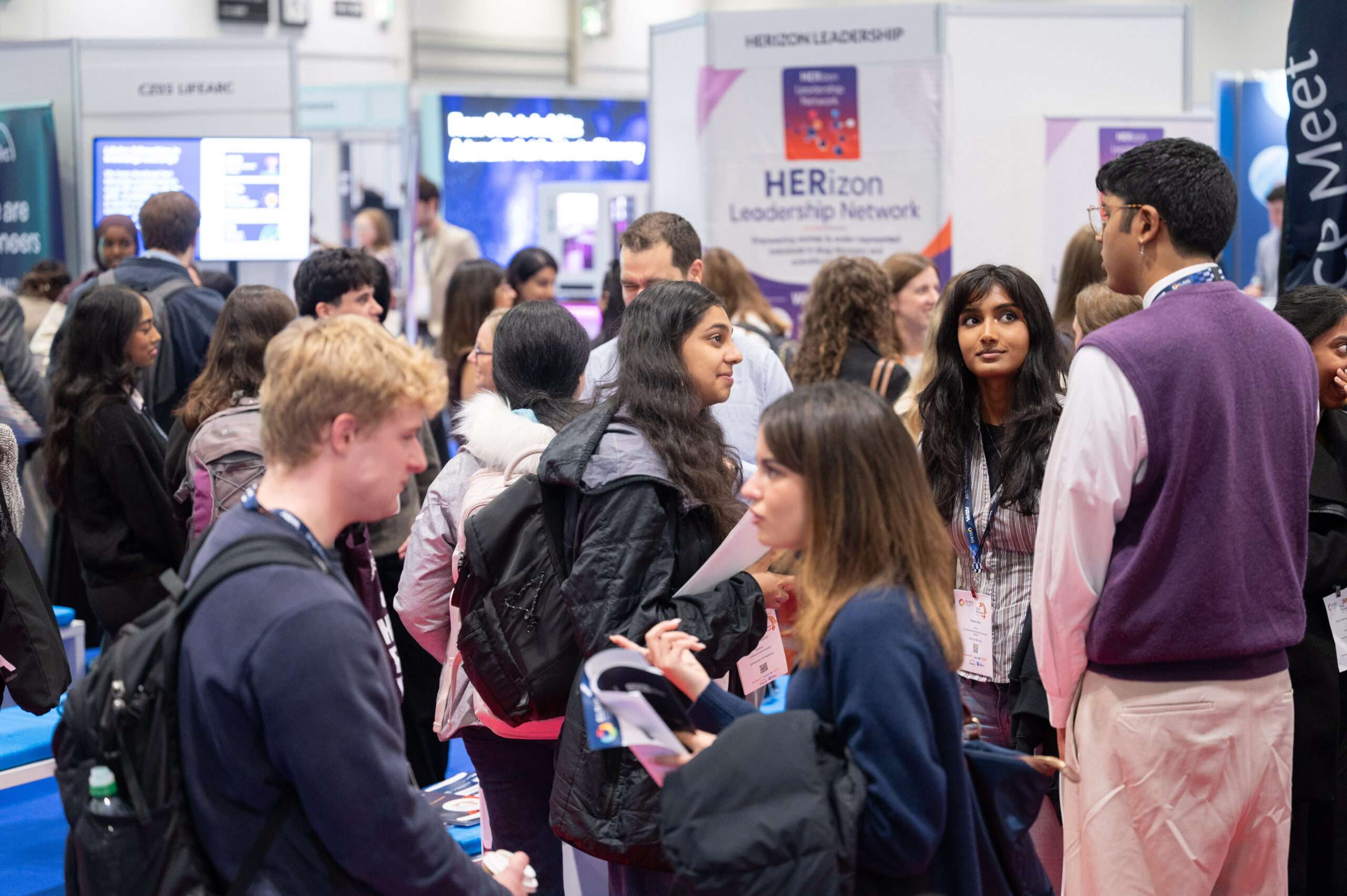
Trezise highlighted ELRIG’s work with young scientists. The day before the conference, more than 100 undergraduates and graduates attended mini Drug Discovery, and at the main event early career professionals have tailored content, speed networking, the learning zone and other development activities. He thanked the general committee of more than 100 volunteers, whom he called the engine of ELRIG’s science, and the operations team of eight full-time staff led by Chief Executive Sanj Kumar. He also thanked two board members completing their rotation: Mark Soave, who had led the early career professional work group, and Saleha Patel, whose time as science director he said had transformed the quality and breadth of the scientific programme. Elaine Duncan of the University of Glasgow becomes the new early career professional work group lead, and Kelly Gray of Ignota Labs takes on the role of science director.
He thanked the four conference programme directors, Laura Eghobamien, Andy Merritt, Christian Parker and Rupa Shree Appa-Pind, and the scientific partners who help shape the programme, including the BNA, the Royal Society of Chemistry, Cancer Research Horizons, the Microbiology Society and SLAS. He also thanked media partners, corporate sponsors and the exhibitor and sponsor community, with particular recognition for Hamilton and Tecan, who supported ELRIG’s first event almost 20 years ago.
Turning to the conference theme, Trezise reflected on 20 years of drug discovery. The full human genome had underpinned the genomics, proteomics and transcriptomics era and much of target-driven drug discovery since. He cited Nobel prizes for CRISPR-Cas gene editing, the reprogramming of adult cells into induced pluripotent stem cells, click chemistry, and phage display and directed evolution, alongside new analytical techniques such as next-generation sequencing and super-resolution microscopy. Together, he said, these had enabled new modalities beyond small molecules and traditional antibodies, including therapeutic oligonucleotides, PROTACs, multi-specific antibodies and engineered cell therapies, and high-impact treatments such as COVID-19 vaccines, checkpoint inhibitors, CAR-T, HPV vaccines and GLP-1 agonists.
Trezise cautioned that drug discovery remains a difficult game, fraught with disappointment, and identified two things beyond scientific innovation that maximise the chances of success. The first was smart people, by which he meant emotionally as well as intellectually smart colleagues who put the needs of the project ahead of their own.
“If you surround yourself with smart people, then good things happen.” Del Trezise
The second, closely connected, was critical decision-making. Projects typically take more than 10 years, during which science, organisations and geopolitical context all change, and teams rarely have all the data they need. Good teams, he said, integrate those factors and balance them against risk and opportunity. He was proud of ELRIG’s scientific programming, celebrated on the timeline wall at the ELRIG hub, but equally proud of its culture of teamwork, access and inclusion, which he described as fundamental to tackling the challenges ahead.
Looking to the future, Trezise pointed to precision medicine, new approach methodologies that use human-centric models to better predict efficacy and safety, synthetic biology and, above all, artificial intelligence and machine learning. He described AI systems that can predict three-dimensional protein structure from amino acid sequences with atomic-level accuracy, drug discovery-specific large language model environments, and autonomous agent-driven systems running closed-loop laboratory automation. Recalling a talk by Andrew White of FutureHouse at an ELRIG event in Boston, he said AI can now generate its own drug discovery hypotheses and build workflows to analyse and interpret data.
“This is extraordinary stuff, and Pandora’s box is well and truly wide open.” Del Trezise
Trezise did not believe responsibility for critical decisions should be handed to AI any time soon. Instead, he suggested AI should be considered an additional team member, one that thinks differently and can triangulate data in ways humans find difficult, but whose contributions must be cross-checked for hallucination and questioned through the lenses of both diligence and morality. Done well, he said, it would significantly improve decision-making and the prospects of projects.
He closed by encouraging delegates to adopt and adapt to new tools and to befriend AI with caution, while investing equally in human networks.
“Build your human networks, to get to know people that know things that you don’t, to learn from them, to build these enduring trusted relationships.” Del Trezise
This summary was produced by Lorefully, an AI and knowledge capture company, who recorded this talk at Drug Discovery 2026. The article has been reviewed by the ELRIG team and the speaker before publication to ensure the the content is accurate.